Summary
Doctors in Cambridge were astonished to find that a standard air filter could significantly reduce airborne coronavirus particles in an intensive care unit.
Key points
- Standard air filters can significantly reduce airborne virus particles, including coronavirus.
- Tests conducted at Addenbrooke's Hospital in Cambridge confirmed the effectiveness of air filtration.
- The research involved collaboration with the University of Cambridge.
- Results surprised the medical team, indicating a potential for cleaner air in public spaces.
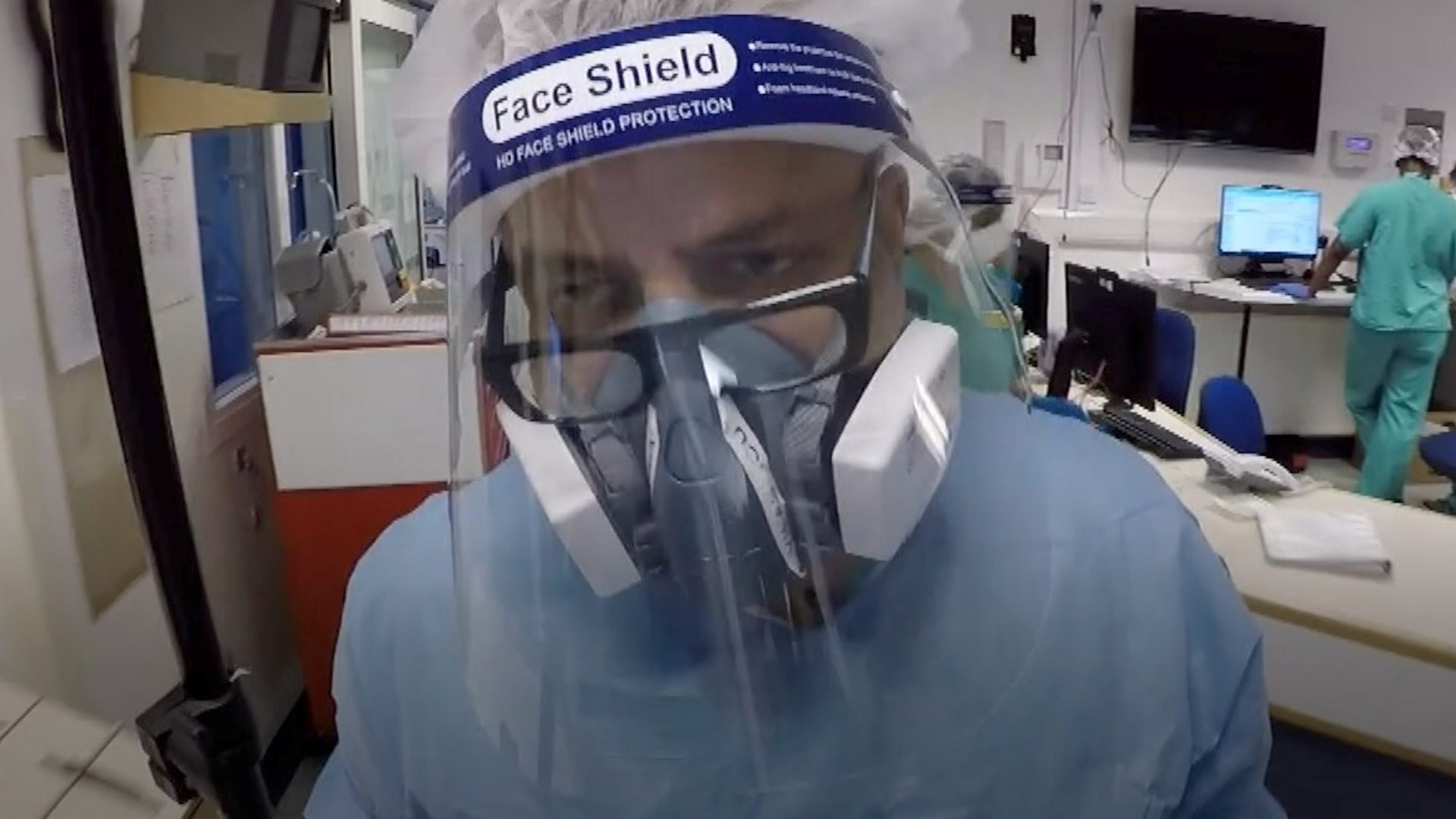
A team of doctors and scientists have found that a standard, off-the-shelf air filter was able to remove most airborne virus particles such as coronavirus on an intensive care ward.
There is evidence that Covid-19 can be spread by particles in the air, and tests were carried out at Addenbrooke's Hospital in Cambridge after a consultant wondered if the effect of air filtration could be measured.
Working with researchers at the University of Cambridge, they devised a way of reliably sampling the air to see if the filters and the testing technique could help keep air in public buildings clean and virus-free.
Intensive care consultant Dr Vila Navapurkar said: "I think it was fair to say that we were all fairly gobsmacked by the results."